Roof Underlayment Calculator
Calculate roof underlayment rolls needed using roof area, overlap, and waste percentage. Get accurate material estimates with formulas and step-by-step examples.
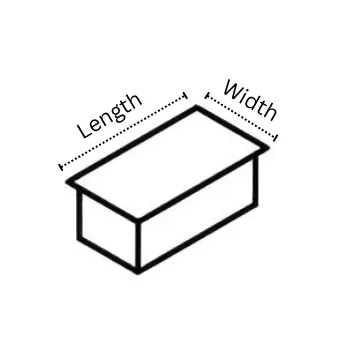
A roof underlayment is a protective layer installed beneath roofing materials like shingles or tiles. To estimate how many rolls you need, you must account for roof area, overlaps, and waste.
This guide explains the exact calculation logic used in a Roof Underlayment Calculator, along with formulas and a full example.
Inputs Used
- Roof Area (or Length & Width)
- Roof Length (L)
- Roof Width (W)
- Underlayment Roll Coverage (C)
- Overlap Percentage (O%)
- Waste Percentage (W%)
Step-by-Step Formula
1. Roof Area (if not directly given)
2. Adjusted Area for Overlap
3. Adjusted Area with Waste
4. Effective Coverage per Roll
5. Number of Rolls Required
Final rolls = always round up
Example Calculation
Given:
- L = 50
- W = 30
- C = 400
- Overlap = 10%
- Waste = 5%
Step 1:
Step 2:
Step 3:
Step 4:
Final Answer
- Total Coverage Needed: 1575 sq ft
- Rolls Required: 5 rolls
FAQs
Q1. What is roof underlayment and why do I need to calculate it?
Roof underlayment is a protective layer installed between the roof deck and the final roofing material (shingles, tiles, metal). Calculating it ensures you buy the right amount — avoiding costly shortages or wasteful over-purchasing.
Q2. How much underlayment do I need for my roof?
It depends on your total roof area. Generally, underlayment is sold in rolls covering 1 square (100 sq ft). So a 2,000 sq ft roof needs at least 20 rolls. Our calculator factors in overlaps (usually 4–6 inches) and adds a waste percentage for accuracy.
Q3. What overlap should I use when installing underlayment?
Standard horizontal overlap is 4 to 6 inches, and vertical (side) overlap is 6 to 12 inches. Higher-pitched roofs need less overlap, while low-slope roofs need more. The calculator accounts for this automatically.
Q4. Does roof pitch affect how much underlayment I need?
Yes. A steeper roof has more actual surface area than its footprint suggests. That's why our calculator asks for roof pitch — to give you the true sloped area, not just the flat ground measurement.
Q5. What are the different types of roof underlayment?
There are 3 main types:
- Felt (Tar Paper) — traditional, affordable, 15 lb or 30 lb
- Synthetic — lightweight, durable, water-resistant
- Self-Adhering (Ice & Water Shield) — best for edges, valleys, and cold climates
Each type comes in different roll sizes, so the quantity needed may vary.
Q6. Should I add a waste factor when ordering underlayment?
Absolutely. Always add 10–15% extra for cuts, overlaps, and mistakes — especially on complex roofs with valleys, hips, or skylights. Our calculator includes a waste factor option so you never come up short.