How to choose a good commercial roofing contractor?
Not sure how to hire a commercial roofer? Learn what licenses, warranties, and certifications to check before signing any contract.
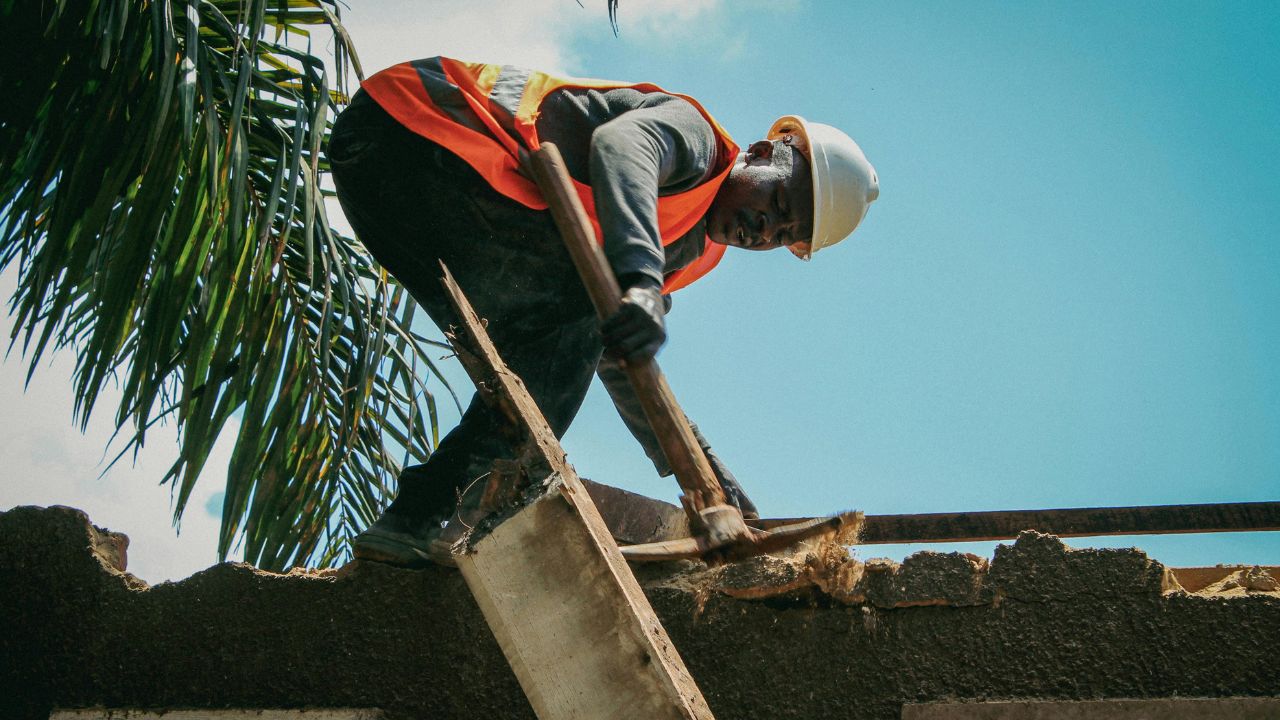
Quick Answer: To choose a good commercial roofing contractor, verify their license and insurance, check references and past commercial projects, get at least 3 written quotes, confirm they specialize in commercial roofing (not just residential), and ensure they offer a workmanship warranty. Never hire based on price alone.
Your commercial roof is one of the most critical — and expensive — components of your building. A poor installation or a fly-by-night contractor can cost you tens of thousands of dollars in repairs, leaks, and business downtime. Yet most property managers and business owners have no idea how to separate a trustworthy commercial roofer from a bad one.
This guide walks you through exactly what to look for, what questions to ask, and what red flags to avoid when hiring a commercial roofing contractor.
1. Verify Licensing and Insurance — Before Anything Else
This is non-negotiable. A legitimate commercial roofing contractor must hold a valid contractor's license in your state and carry two types of insurance:
- General Liability Insurance — covers property damage if the crew accidentally damages your building or neighboring structures.
- Workers' Compensation Insurance — covers any worker injured on your roof. Without it, you could be held liable for medical costs.
Ask for certificates of insurance directly from the contractor — not just their word. Call the insurance company to verify the policy is active and has adequate coverage limits. For commercial projects, look for at least $1 million in general liability coverage.
⚠️ Red Flag: Any contractor who hesitates to provide proof of insurance or whose policy has expired should be immediately disqualified.
2. Choose a Contractor Who Specializes in Commercial Roofing
Commercial and residential roofing are very different trades. Commercial roofs typically involve flat or low-slope systems — TPO, EPDM, modified bitumen, built-up roofing (BUR), or metal roofing — that require specialized training, equipment, and experience.
A roofer who mostly does shingle replacement on houses is not qualified to waterproof a 20,000 sq ft flat roof. When evaluating contractors, ask specifically:
- What percentage of their work is commercial vs. residential?
- What commercial roofing systems have they installed or repaired?
- Have they worked on buildings of your size and roof type?
Ideally, you want a contractor where commercial work makes up the majority of their business — at least 50% or more.
3. Check Their Track Record and References
Any contractor can claim experience. Your job is to verify it. Ask for:
- 3–5 commercial references from the past 2 years (similar roof type and scale to yours)
- Photos or addresses of completed commercial projects
- Online reviews on Google, Better Business Bureau, or Yelp
- BBB accreditation status and complaint history
When you call references, ask: Was the project completed on time? Were there cost overruns? Did the roof perform well after installation? Would you hire them again?
A contractor with strong references and verifiable past work is a strong signal of reliability.
4. Look for Manufacturer Certifications
Top commercial roofing manufacturers — like GAF, Firestone, Carlisle, and Versico — offer certification programs for contractors who meet their installation standards. These certifications matter because:
- Certified contractors are trained to install the manufacturer's systems correctly
- They can offer manufacturer-backed warranties (often 10–30 years) that non-certified contractors cannot
- The manufacturer has verified their workmanship and business standards
Common certifications to look for include GAF Master Elite, Firestone Building Products Master Contractor, or Carlisle Authorized Applicator. Ask your shortlisted contractors which certifications they hold.
5. Get at Least 3 Detailed Written Quotes
Never accept a verbal estimate or a one-line quote. A professional commercial roofing bid should include:
| What to Look For in a Quote | Why It Matters |
|---|---|
| Detailed scope of work | Defines exactly what's being done — tear-off, insulation, membrane type, flashing, drains |
| Specific materials and brands | Prevents substitution of inferior materials after contract signing |
| Project timeline | Minimizes business disruption; sets accountability |
| Payment schedule | Avoid contractors who demand full payment upfront |
| Warranty terms | Separate workmanship warranty vs. manufacturer material warranty |
Getting multiple quotes lets you compare apples to apples — and reveals when one contractor is cutting corners or padding their margins.
💡 Pro Tip: The lowest bid is often a red flag, not a bargain. Abnormally low quotes often mean the contractor is cutting corners on materials, skipping a proper tear-off, or has underpriced the job and may abandon it midway.
6. Understand the Warranty — Workmanship vs. Manufacturer
There are two types of warranties on a commercial roofing project, and many property owners confuse them:
- Manufacturer's material warranty — covers defects in the roofing materials themselves (membranes, adhesives, etc.). Typically 10–30 years depending on the system. Only available if an authorized contractor installs the product.
- Workmanship (labor) warranty — covers mistakes in installation, such as improper flashing, poor seams, or incorrect drainage slope. Issued by the contractor. Look for a minimum of 2 years, ideally 5.
Ask the contractor to provide both warranty documents in writing before you sign the contract. Be skeptical of any contractor who won't commit to a workmanship warranty.
7. Evaluate Their Communication and Professionalism
How a contractor conducts the bidding process tells you a lot about how they'll manage the actual project. Pay attention to:
- Do they show up on time to the site inspection?
- Do they provide a written proposal promptly?
- Do they answer your questions clearly and without pressure?
- Do they have a physical office address (not just a P.O. box or cell phone)?
- Are they easy to reach by phone and email?
A contractor who is disorganized, evasive, or uses high-pressure sales tactics before the job starts will be worse to deal with during and after the project.
8. Confirm Their Safety Practices
Commercial roofing is one of the more hazardous construction trades. A reputable contractor will have a documented safety program and comply with OSHA standards. Ask:
- Do they have a written safety plan?
- What is their OSHA recordable incident rate?
- Do workers use fall protection equipment?
Beyond protecting the workers, a company with poor safety practices is more likely to cut corners elsewhere — and their workers' comp claims could drive up your own risk profile if something goes wrong on your property.
9. Watch Out for These Red Flags
- 🚩 Contractor shows up unsolicited after a major storm ("storm chasers")
- 🚩 Demands full payment upfront before any work begins
- 🚩 Cannot provide proof of insurance or a valid license
- 🚩 No physical business address or verifiable company history
- 🚩 Won't provide references or examples of commercial work
- 🚩 Quote is dramatically lower than all others without explanation
- 🚩 Uses high-pressure tactics like "this price is only good today"
- 🚩 Offers to "work with your insurance" in ways that seem inflated or fraudulent
10. Ask These Questions Before Signing Anything
Use this quick checklist when speaking to any commercial roofing contractor:
- Are you licensed in this state for commercial roofing?
- Can you provide certificates of general liability and workers' comp insurance?
- What percentage of your work is commercial?
- What roofing system do you recommend for my building, and why?
- Are you a certified installer for that manufacturer?
- Can you provide 3 references from similar commercial projects?
- What workmanship warranty do you offer?
- Who specifically will be managing and working on my project — subcontractors or your own crew?
- What is the payment schedule?
- How will you protect my business during the project?
The Bottom Line
Choosing the right commercial roofing contractor comes down to verification and due diligence. Confirm licensing, check insurance, review past commercial work, compare detailed written bids, and look for manufacturer certifications. The extra time you spend vetting contractors upfront will save you from costly repairs, roof failures, and contractor disputes down the road. A quality commercial roof, properly installed, should last 20–30 years — so choose wisely.
Frequently Asked Questions
What is the average cost of commercial roofing per square foot?
Commercial roofing costs vary widely by system and region. TPO roofing typically ranges from $5–$10 per square foot installed, EPDM from $4–$9, and metal roofing from $8–$20+. Always get multiple quotes for an accurate estimate for your specific building.
How long does a commercial roof last?
A well-installed commercial roof can last 20–30 years depending on the system. TPO and EPDM membranes typically last 20–25 years, metal roofing 30–50 years, and built-up roofing (BUR) 20–30 years with proper maintenance.
Should I repair or replace my commercial roof?
If your roof is under 15 years old and damage is localized, repair is usually the better option. If the roof is aging, has widespread issues, or requires frequent patching, a full replacement will likely be more cost-effective long-term. A professional roof inspection can help you make that decision.
Can a residential roofer do commercial work?
Technically yes in some states, but it's not advisable. Commercial roofing systems (TPO, EPDM, BUR, etc.) are fundamentally different from residential shingle roofing and require specialized training, equipment, and manufacturer certifications. Always hire a contractor with verifiable commercial experience.