Silicone Roof Coating Pros and Cons
Learn the pros and cons of silicone roof coating, including waterproofing, cost, lifespan, and maintenance. Find out if silicone coating is right for your roof.
Silicone roof coating is a popular solution for fixing leaks and extending the life of flat or low-slope roofs. You’ll often see it used on commercial buildings, RV roofs, and residential flat roofs. While silicone coating has many advantages, it also has some real drawbacks that homeowners should understand before using it.
This guide explains what silicone roof coating is, where it works best, and its pros and cons.
What Is Silicone Roof Coating?
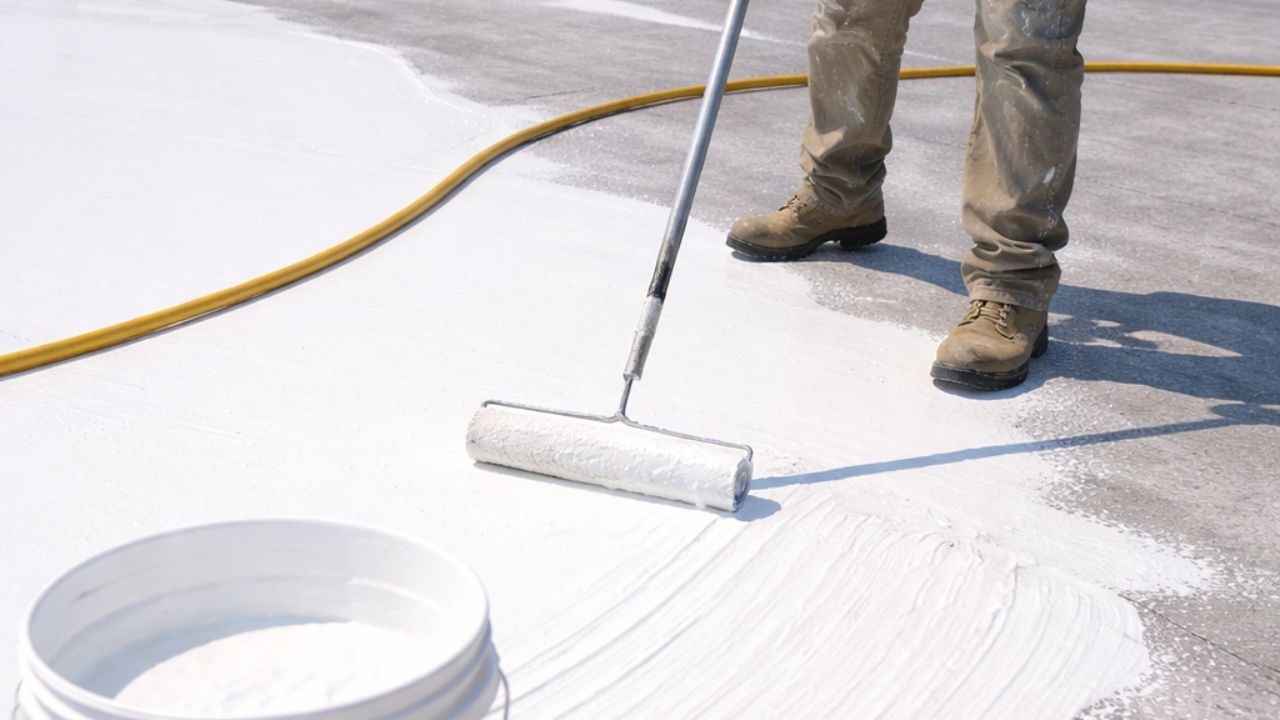
Silicone roof coating is a liquid material applied directly over an existing roof. Once it cures, it forms a flexible, waterproof layer that seals cracks, seams, and small gaps. Unlike traditional roofing, it does not require tearing off the old roof, which saves time and money.
Silicone coatings are most commonly used on flat or low-slope roofs made of concrete, metal, modified bitumen, or single-ply membranes.
Benefits of Silicone Roof Coating
Excellent Waterproofing
One of the biggest strengths of silicone roof coating is its resistance to water. Unlike many other coatings, silicone does not soften or break down when water sits on it for long periods. This makes it especially effective for roofs with ponding water, where rainwater does not drain quickly.
Extends Roof Life
Applying silicone coating can add 10 to 20 years to an existing roof. It protects the surface from sun damage, weather exposure, and small leaks. This makes it a cost-effective way to delay a full roof replacement.
Strong UV Protection
Silicone reflects sunlight very well. This helps reduce heat buildup on the roof and slows down damage caused by UV rays. In hot climates, this can also help lower indoor temperatures and reduce cooling costs.
Flexible and Crack Resistant
Silicone stays flexible even as temperatures change. It expands and contracts with the roof without cracking, which helps prevent leaks around seams and joints.
Easy Application
Silicone roof coating can be sprayed or rolled on. In many cases, it requires minimal surface preparation compared to other coatings. This makes installation faster and less disruptive.
Drawbacks of Silicone Roof Coating
Slippery Surface
Once cured, silicone coating can be very slippery, especially when wet. This makes walking on the roof dangerous without proper safety measures. It also makes future maintenance work more difficult.
Attracts Dirt Over Time
Silicone coatings tend to attract dirt and dust. As dirt builds up, the roof can lose some of its reflective ability. This does not affect waterproofing, but it can reduce energy efficiency unless the roof is cleaned occasionally.
Hard to Recoat Later
If you ever need to apply another coating in the future, silicone can be difficult to work with. Many other coatings do not stick well to cured silicone, which limits future repair options unless the surface is properly treated.
Higher Cost Than Some Coatings
Silicone roof coating usually costs more than acrylic or asphalt-based coatings. While it lasts longer, the upfront cost may be higher for some homeowners.
Not Ideal for All Roof Types
Silicone works best on flat or low-slope roofs. It is generally not recommended for steep-slope residential roofs where shingles or tiles are more suitable.
Silicone Roof Coating Pros and Cons (Quick Comparison)
| Pros | Cons |
|---|---|
| Excellent waterproofing, even with ponding water | Slippery surface when wet |
| Extends roof life by 10–20 years | Attracts dirt over time |
| Strong UV and heat resistance | Hard to apply other coatings over it |
| Flexible and crack resistant | Higher cost than some alternatives |
| No tear-off needed in most cases | Not ideal for steep-slope roofs |
| Works well on many flat roof types | Requires careful installation |
When Is Silicone Roof Coating a Good Choice?
Silicone roof coating is a good option if your roof is structurally sound but has small leaks, cracks, or aging issues. It works especially well for flat roofs with drainage problems. It is also a smart choice if you want to avoid the cost and mess of a full roof replacement.
However, if your roof has major structural damage, trapped moisture, or is near the end of its life, coating alone may not be enough.
Silicone vs Other Roof Coatings (Quick Note)
Compared to acrylic coatings, silicone handles standing water much better. Compared to asphalt coatings, it lasts longer and reflects more heat. Each coating has its place, but silicone stands out for waterproofing performance.
Final Thoughts
Silicone roof coating is not a perfect solution, but it is one of the most effective options for waterproofing and extending the life of flat roofs. Its ability to handle standing water and resist UV damage makes it a strong long-term investment. At the same time, its slippery surface, dirt buildup, and higher cost are important factors to consider.
If your roof is a good candidate, silicone coating can save money, reduce leaks, and delay replacement for many years.