Acrylic vs Silicone Roof Coating: Pros, Cons & Which Is Better?
Compare acrylic vs silicone roof coating, including pros and cons, waterproofing, cost, lifespan, ponding water performance, and which coating is best.
Roof coatings are a popular way to fix leaks and extend the life of an existing roof without replacing it. Among all options, acrylic and silicone roof coatings are the most commonly used. While they may look similar once applied, they behave very differently, especially when it comes to water, durability, and long-term performance.
This guide explains the difference between acrylic and silicone roof coatings in simple terms, so you can choose the right one for your roof.
What Is Acrylic Roof Coating?
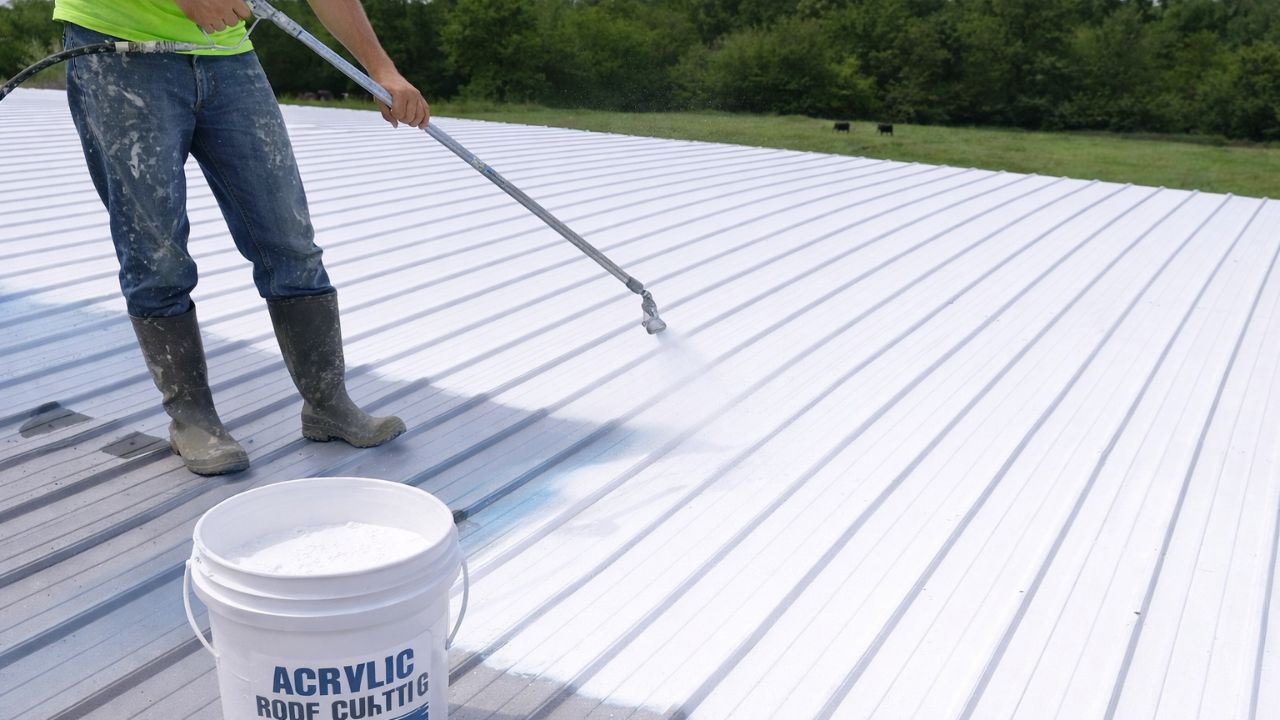
Acrylic roof coating is a water-based coating made mainly from acrylic polymers. It is usually white and reflective, helping reduce roof temperature. Acrylic coatings are widely used because they are affordable, easy to apply, and environmentally friendly.
They work best on sloped or well-draining flat roofs where water does not sit for long periods.
Silicone Roof Coating Pros and Cons
Like any roofing product, silicone roof coating has both advantages and disadvantages. It performs exceptionally well on flat roofs, but it isn't always the best choice for every project.
Pros
- Excellent waterproofing: Silicone creates a waterproof membrane that resists leaks even when water remains on the roof for extended periods.
- Handles ponding water: Unlike acrylic coatings, silicone maintains its performance in areas where water collects.
- Long lifespan: A properly installed silicone coating can last 10 to 20 years with routine inspections.
- Outstanding UV resistance: It withstands constant sun exposure without cracking, chalking, or becoming brittle.
- Flexible in changing temperatures: Silicone expands and contracts with the roof, helping reduce cracking caused by temperature changes.
Cons
- Higher upfront cost: Silicone coatings generally cost more than acrylic roof coatings.
- Difficult to recoat: New coatings do not always adhere well to cured silicone without special primers or surface preparation.
- Attracts dirt: Silicone surfaces can collect dust and airborne debris, reducing their reflective appearance over time.
- Can be slippery when wet: Walking on a wet silicone-coated roof requires extra caution
What Is Silicone Roof Coating?
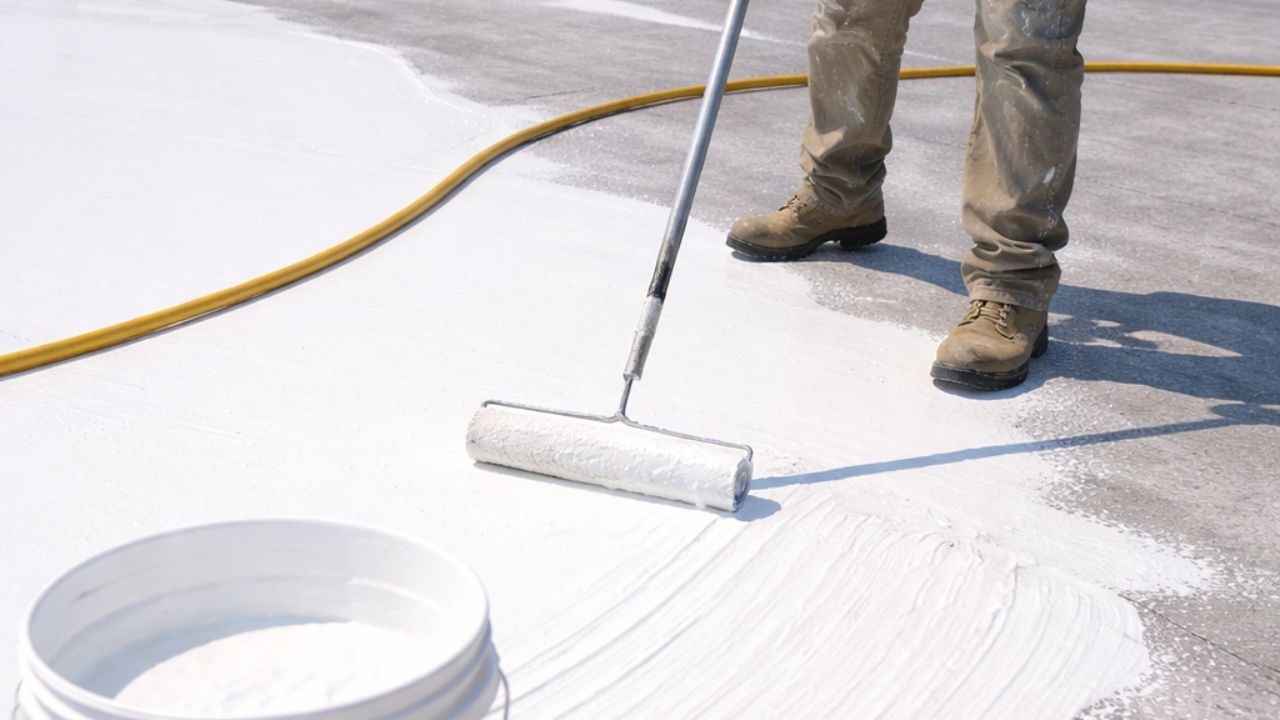
Silicone roof coating is a moisture-cured coating made from silicone solids. Once it cures, it forms a rubber-like, waterproof layer. Silicone is especially known for handling standing water without breaking down.
It is commonly used on flat or low-slope roofs that have drainage issues or ponding water.
Acrylic Roof Coatings: Pros and Cons
Acrylic roof coatings remain one of the most popular options because they offer a good balance of performance and affordability, especially on roofs with proper drainage.
Pros
- Lower initial cost: Acrylic coatings are typically less expensive than silicone, making them a budget-friendly choice.
- Highly reflective: Their bright white finish helps reduce roof temperatures and improve energy efficiency.
- Easy to apply and recoat: Future maintenance is straightforward because fresh acrylic bonds well to existing acrylic coatings.
- Water-based formula: Acrylic coatings have lower odor and are easier to clean up than many solvent-based products.
- Ideal for sloped roofs: They perform very well where rainwater drains quickly.
Cons
- Not suitable for ponding water: Standing water can cause the coating to soften and deteriorate over time.
- Shorter service life: Acrylic coatings generally last 5 to 10 years, depending on climate and maintenance.
- Weather-sensitive during application: Because acrylic is water-based, it requires dry conditions to cure properly.
- May require more frequent maintenance: Harsh sunlight and weather can gradually reduce performance, requiring recoating sooner than silicone.
Key Differences Between Acrylic and Silicone Roof Coating
Water Resistance
This is the biggest difference between the two. Acrylic roof coating is water-resistant, but not fully waterproof in all situations. If water sits on an acrylic-coated roof for long periods, the coating can soften, bubble, or wear down over time.
Silicone roof coating, on the other hand, is fully waterproof. It does not break down under standing water, which makes it a better option for flat roofs with ponding water.
Durability and Lifespan
Acrylic coatings usually last 5 to 10 years, depending on thickness, weather, and maintenance. They may need reapplication sooner in harsh climates.
Silicone coatings typically last 10 to 20 years. They resist UV rays and weather damage better and do not chalk or crack easily.
Reflectivity and Energy Efficiency
Both coatings are reflective and help reduce heat. Acrylic coatings are very reflective when new, but they can lose reflectivity faster as they collect dirt.
Silicone coatings also reflect sunlight, but they tend to hold onto dirt more, which can reduce reflectivity unless cleaned occasionally.
Maintenance and Repairs
Acrylic roof coatings are easier to repair and recoat. New acrylic layers bond well with old ones, making future maintenance simple.
Silicone coatings are harder to recoat. Many materials do not stick well to cured silicone, which can limit repair options later unless special preparation is done.
Cost
Acrylic roof coating is usually cheaper upfront, making it attractive for budget-conscious projects.
Silicone roof coating costs more initially, but its longer lifespan and superior waterproofing often make it more cost-effective over time.
Acrylic vs Silicone Roof Coating (Quick Comparison)
| Feature | Acrylic Roof Coating | Silicone Roof Coating |
|---|---|---|
| Waterproofing | Water-resistant | Fully waterproof |
| Ponding Water | Not recommended | Excellent performance |
| Lifespan | 5–10 years | 10–20 years |
| UV Resistance | Good | Excellent |
| Ease of Recoating | Easy | Difficult |
| Cost | Lower upfront cost | Higher upfront cost |
| Best Use | Sloped or draining roofs | Flat roofs with standing water |
FAQs
Can You Put Silicone Roof Coating Over Acrylic?
Yes, you can apply silicone roof coating over an existing acrylic coating, but only if the roof is properly prepared. The surface must be clean, dry, and firmly attached to the roof. Any loose or peeling acrylic must be removed before applying silicone.
In some cases, a primer is recommended to improve adhesion. Skipping surface preparation can lead to poor bonding and early failure.
Is Acrylic Roof Coating Waterproof?
Acrylic roof coating is not fully waterproof in the same way silicone is. It does a good job of shedding rainwater, but it does not handle standing water well. If water stays on the roof for long periods, acrylic coatings can soften and degrade.
For roofs with good drainage, acrylic works well. For roofs with ponding water, silicone is the better choice.
Which Roof Coating Should You Choose?
Choose acrylic roof coating if your roof has proper drainage, you want a lower upfront cost, and you prefer easy future recoating.
Choose silicone roof coating if your roof is flat, has ponding water, or you want the strongest waterproof protection with a longer lifespan.
External Reference
For general roof coating standards and best practices, you can refer to the National Roofing Contractors Association (NRCA): https://www.nrca.net
Final Thoughts
Both acrylic and silicone roof coatings are good products when used in the right situation. Acrylic is affordable and easy to maintain, but it struggles with standing water. Silicone costs more but offers superior waterproofing and long-term performance.
The best choice depends on your roof’s slope, drainage, budget, and long-term goals.