Roof Jack Explained: Purpose, Types, and Common Problems
Learn what a roof jack is, how it works, types, costs, and signs of damage. Simple homeowner guide to prevent roof leaks and avoid costly repairs.
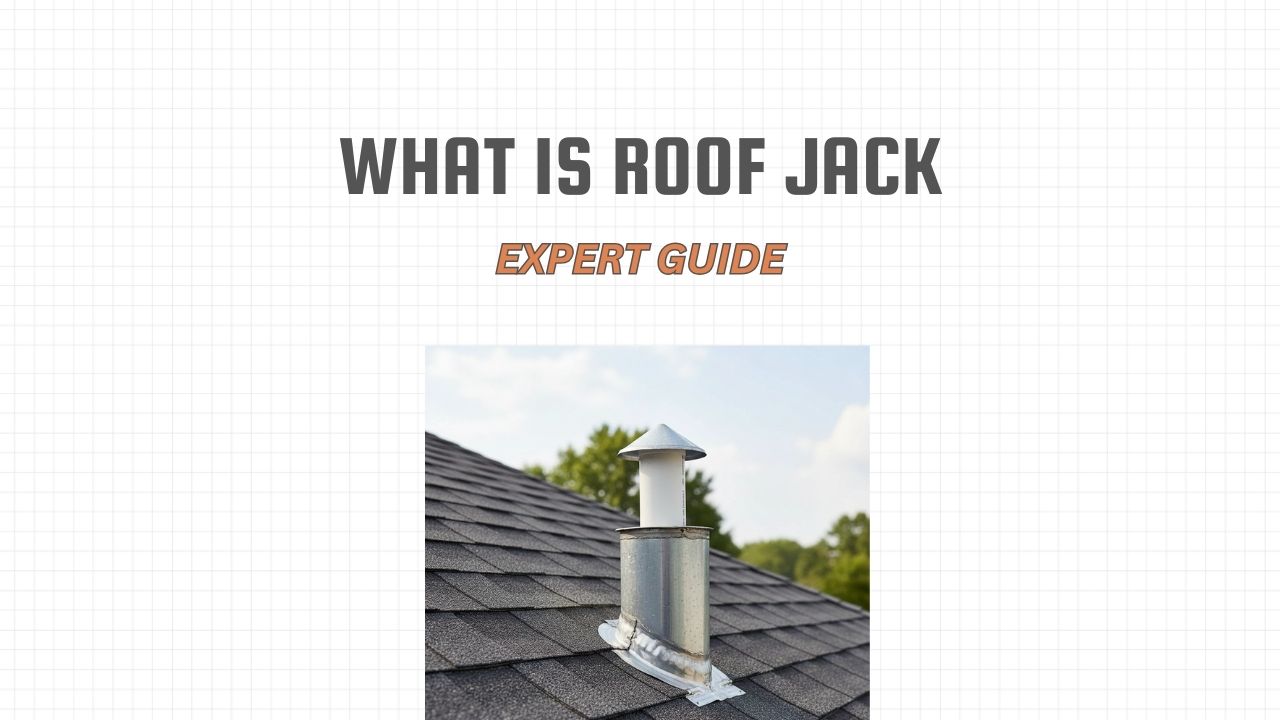
If you’ve ever looked at your roof and noticed a pipe sticking out with a metal or rubber cover around it, you were probably looking at a roof jack. It’s a small part of your roofing system, but it plays a big role in keeping your home dry and protected.
In simple words, a roof jack is a flashing piece that seals and supports anything that passes through your roof—like a plumbing vent pipe. It keeps rainwater from leaking into your attic or walls.
Many homeowners don’t think about roof jacks until there’s a leak. But understanding what they are and how they work can help you avoid expensive repairs later.
Main Purpose of a Roof Jack
A roof jack has two main jobs:
1. Prevent Water Leaks
Roofs are designed to shed water. But when you cut a hole in the roof for a vent pipe, that creates a weak spot. A roof jack seals that opening so rain and snow can’t get inside.
2. Support Roof Penetrations
It also helps hold the pipe steady and protects the surrounding shingles from damage.
Even a small crack in the roof jack can lead to water stains on your ceiling, mold growth, or wood rot in your attic.
Types of Roof Jacks
There are several types of roof jacks, depending on the roofing material and the type of pipe.
Vent Pipe Roof Jack
This is the most common type. It seals around plumbing vent pipes on shingle roofs. It usually has a metal base and a rubber boot.
Adjustable Roof Jack
These are used on roofs with different slopes. They can adjust to match the roof pitch.
Metal Roof Jack
Designed for metal roofs. They often use flexible rubber boots with metal bases shaped to match metal panels.
Flat Roof Jack
Used on low-slope or flat roofs. These usually work with rubber or membrane roofing systems.
Parts of a Roof Jack
A roof jack may look simple, but it has a few key parts:
- Base (Flashing Plate): This is the flat metal piece that sits under the shingles. It directs water away from the pipe.
- Collar or Boot: This is the rubber or metal sleeve that wraps tightly around the pipe.
- Fasteners: Nails or screws secure the base to the roof deck.
- Sealant: Roofing sealant is often applied around the edges for extra protection.
Each part works together to keep water out.
How a Roof Jack Works
Roofs are layered systems. Shingles overlap each other to guide water downhill. A roof jack is installed under the upper shingles and over the lower shingles. This layering helps water flow around the pipe instead of into it.
When rain hits the roof, it slides down the shingles and over the flashing plate. The rubber boot seals tightly around the pipe so water can’t sneak in through the gap.
If installed correctly, a roof jack can last many years without problems.
Where Roof Jacks Are Used
You’ll usually find roof jacks around:
- Plumbing vent pipes
- Bathroom exhaust vents
- Kitchen exhaust vents
- Furnace or water heater vents
Almost every home in the United States has at least one roof jack.
Roof Jack vs Roof Vent
Many homeowners mix these up.
- A roof vent allows air to move in or out of your plumbing or attic.
- A roof jack seals the area where that vent passes through the roof.
Think of it this way: the vent handles airflow, and the roof jack handles waterproofing.
Both are important for a healthy roofing system.
Common Problems With Roof Jacks
Over time, roof jacks can wear out.
- Cracked Rubber Boot: Sun exposure can cause rubber to dry out and crack. Once that happens, leaks may start.
- Rusted Metal Base: Older metal flashing can rust, especially in wet climates.
- Poor Installation: If shingles aren’t layered properly around the flashing, water can get underneath.
- Loose Sealant: Sealant can shrink or break down over time.
These issues are common and usually easy to fix if caught early.
How Much Does a Roof Jack Cost?
Roof jacks are not expensive.
- Basic roof jack: $10 to $30
- Higher quality or metal roof versions: $30 to $75
If you hire a roofer, labor costs can range from $150 to $400 depending on roof height and slope.
Compared to fixing water damage inside your home, replacing a roof jack is much cheaper.
How Long Does a Roof Jack Last?
The lifespan depends on the material:
- Rubber boot: 10–15 years
- Metal flashing: 20+ years
- High-quality silicone boots: up to 20 years
Hot sun, heavy snow, and storms can shorten its life.
It’s smart to inspect your roof jacks every few years, especially if your roof is over 10 years old.
Can You Replace a Roof Jack Yourself?
If you’re comfortable working on a roof and understand basic roofing steps, replacing a roof jack is a moderate DIY project.
But there are risks:
- Slippery shingles
- Steep slopes
- Improper sealing
If your roof is steep or you’re unsure about the process, hiring a professional roofer is safer.
Sometimes a simple repair, like adding a repair boot over the old pipe, can fix the problem without removing shingles.
Maintenance Tips for Roof Jacks
Here are some simple ways to keep your roof jack in good shape:
- Check for cracks in the rubber boot
- Look for loose or lifted shingles
- Make sure sealant is not dried or broken
- Inspect after major storms
If you see water stains on your ceiling near a vent pipe, don’t ignore it. Small leaks can turn into bigger problems quickly.
Final Thoughts
A roof jack may seem like a small part of your home, but it plays a big role in keeping water out. It seals around vent pipes and protects your roof from leaks.
The good news is that roof jacks are affordable and easy to replace when needed. With regular inspection and maintenance, you can avoid costly repairs and extend the life of your roof.
If you’re planning a roof replacement or noticing signs of leaks, take a close look at your roof jacks. Sometimes the smallest parts make the biggest difference.